Despite the fact that HKSAR is a part of China and being in HKSAR means being in China, I felt like I couldn't say that I'd been to China. HKSAR is easy mode - you don't need a visa (for US citizens, though many other countries don't require a visa either), most signs are in English, even many street names are British and therefore a little familiar.
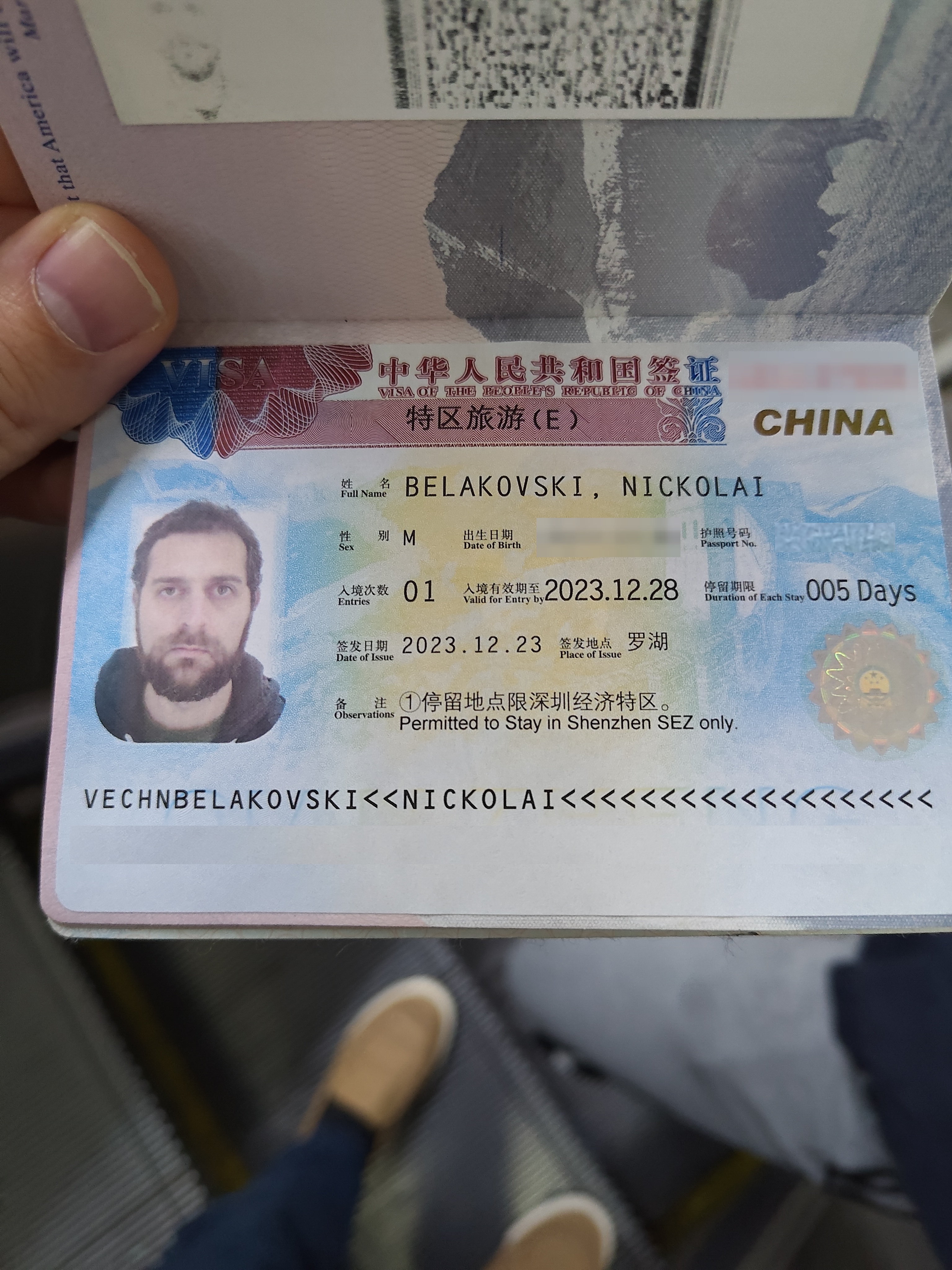
I didn't have time to go through the process of getting a Chinese tourist visa, but I discovered that there's a special visa for Shenzhen (right across the 'border' between HKSAR and the rest of China) that's obtainable upon arrival. It's only for 5 days, only for Shenzhen, and it's single entry and costs about as much as a regular Chinese tourist visa, but you don't have to apply for it in advance. Fortunately, one of the grad students attached to the research group I was visiting offered to be my tour guide in Shenzhen, and so on Saturday we went to Shenzhen!
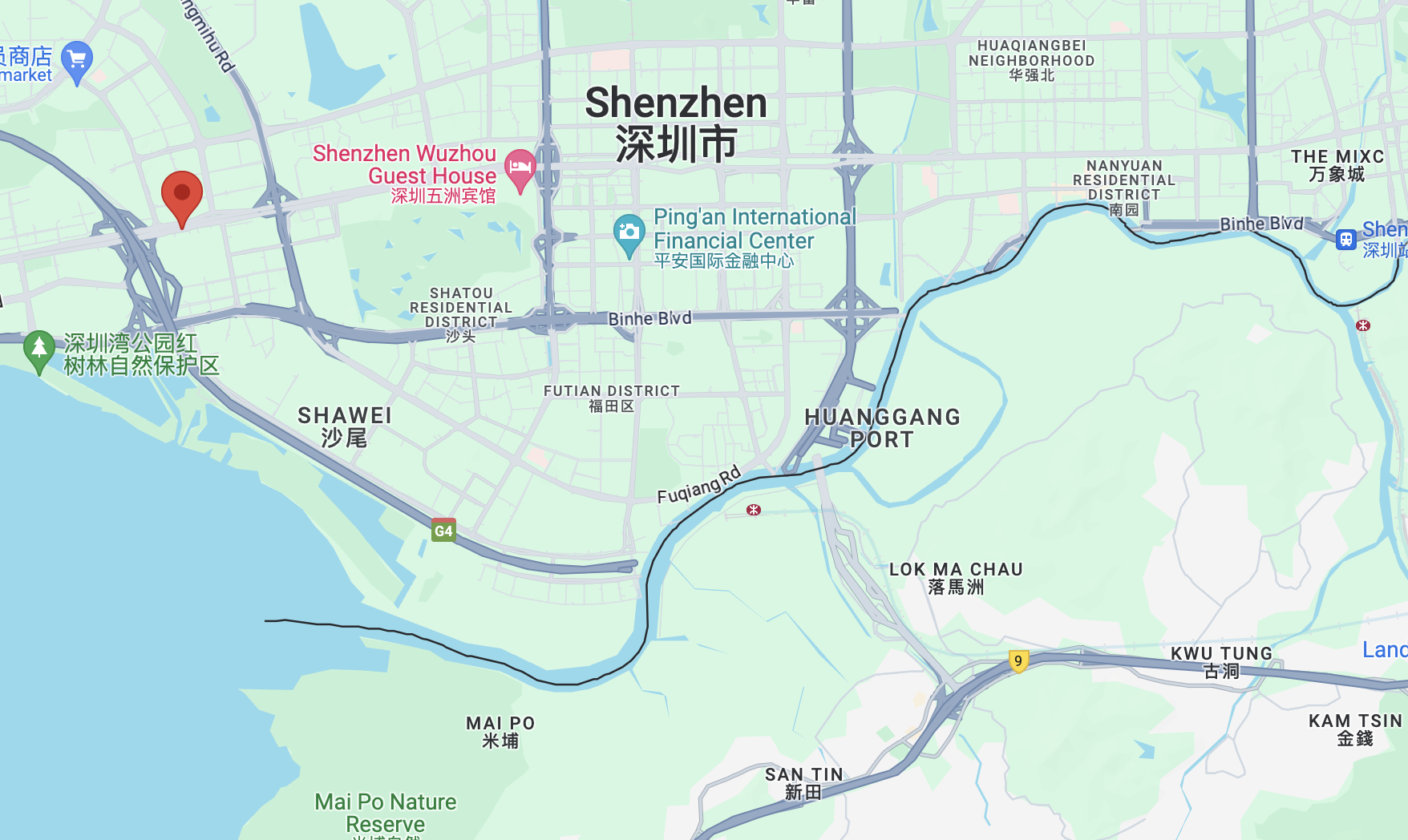
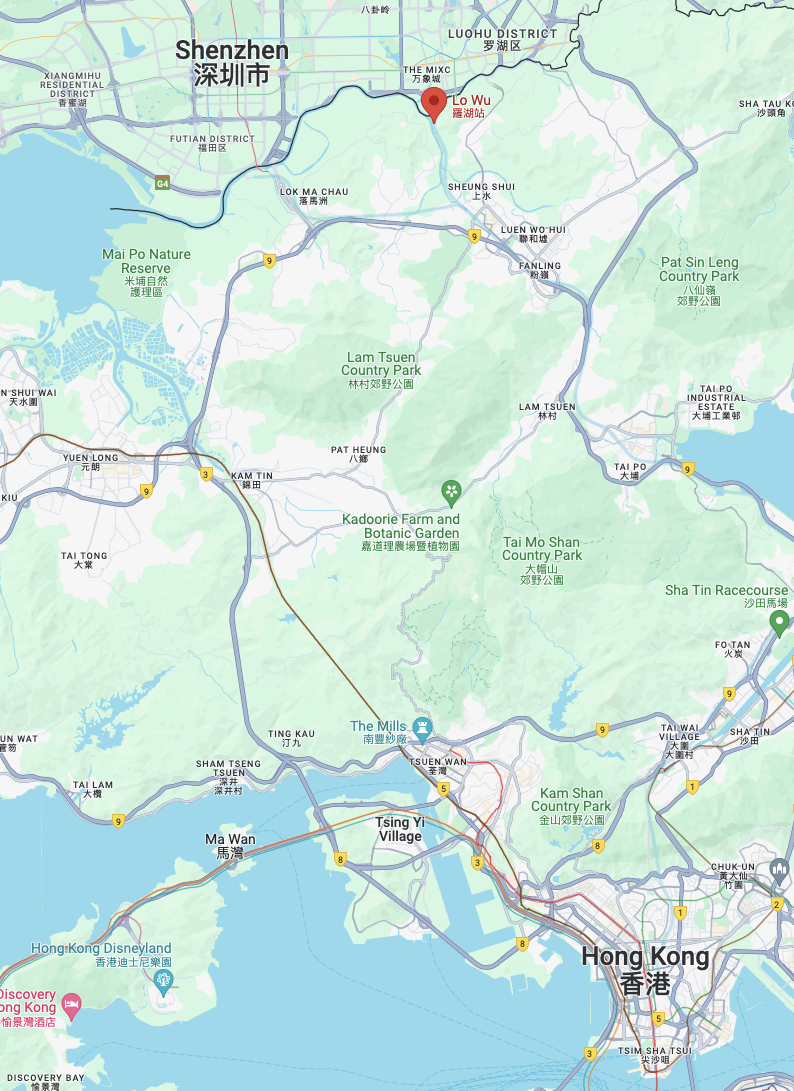
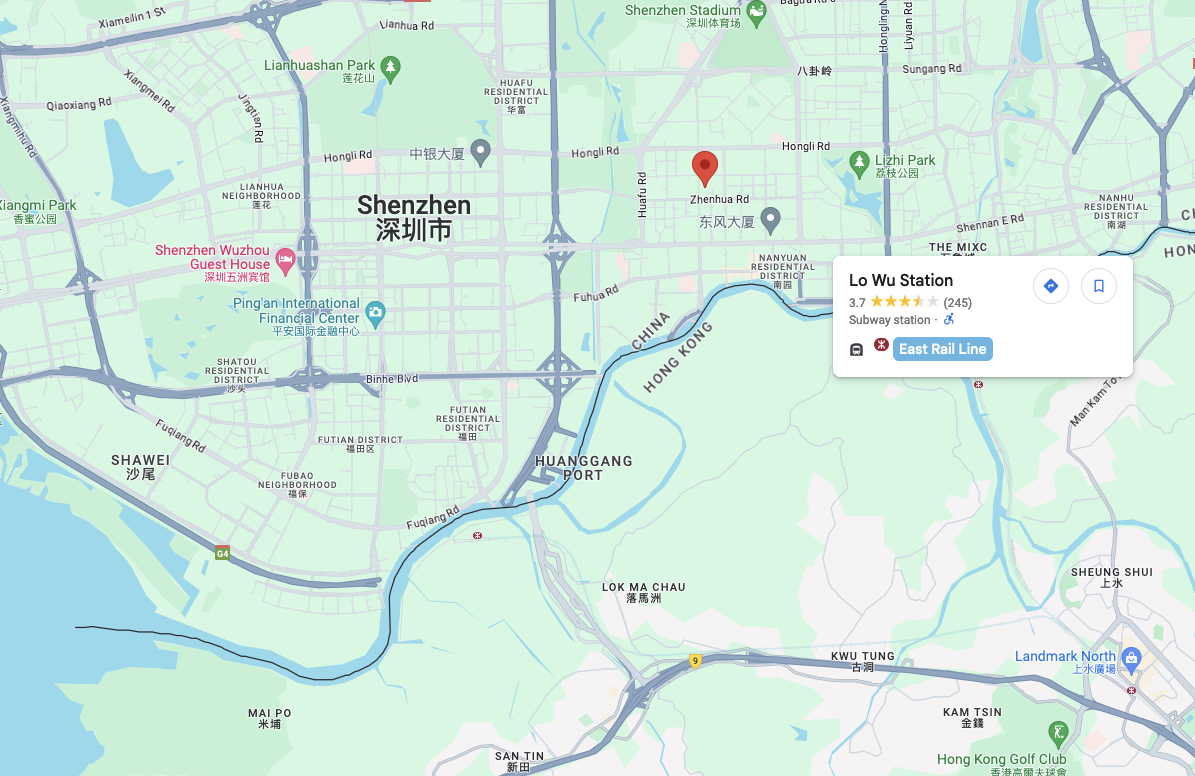
We took the train to Lo Wu station, which only took about an hour. You can barely see the train line on the map, it's a faint blue line and it looks like a river, but if you look closely you can see how it goes from Tsim Sha Tsui through Tai Wai Village, Fo Tan, Tai Po, and ultimately to Lo Wu.
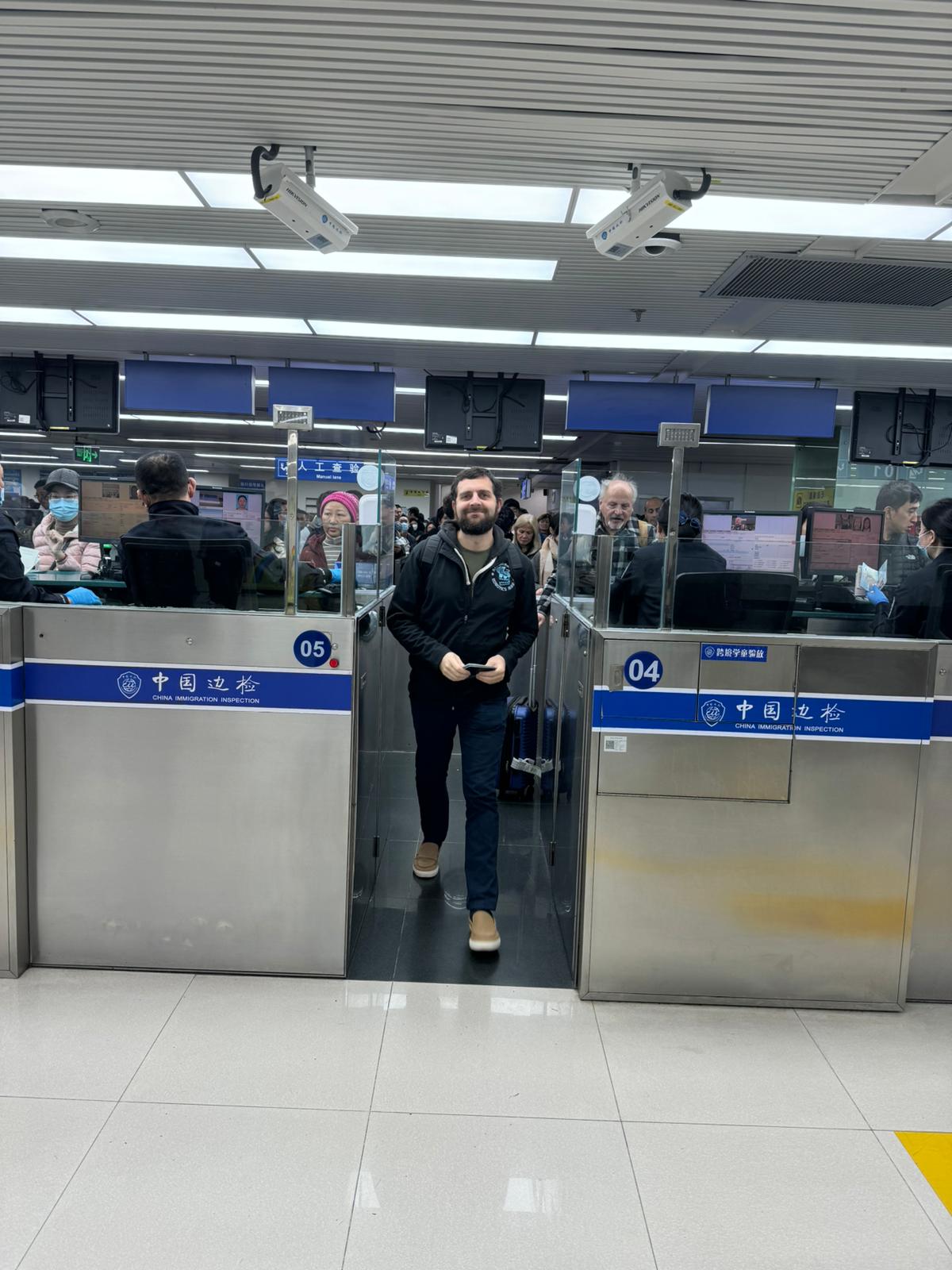
Then it took about an hour to get the visa at the visa office and then nearly another hour to get through the immigration line, but finally I was in Shenzhen! In China!
Shenzhen is a fairly "new" city. In 1983 its population was 595,200. By 2013 it was 10,873,000! In 2022 it was 17,661,800! Can you imagine a mid-sized city adding 10 million people to its population in just 30 years?! This is no accident. Shenzhen was made into a Special Economic Zone in the 1980's as part of Deng Xiaoping's reforms. What's really incredible is that as far as I could tell, all the infrastructure needed to support this massive amount of people had been built. It's easy to imageine 10 million new people in a city overwhelming the city's water, electricity, housing, sewers, schools, hospitals, transit, but again as far as I could tell all that had been built. There was a nice modern metro system, roads were wide, clean, and traffic was moderate. There was water, electricity, etc. It's truly impressive.
One of the things that really drove home how new and modern Shenzhen is was this mall where we went to have lunch
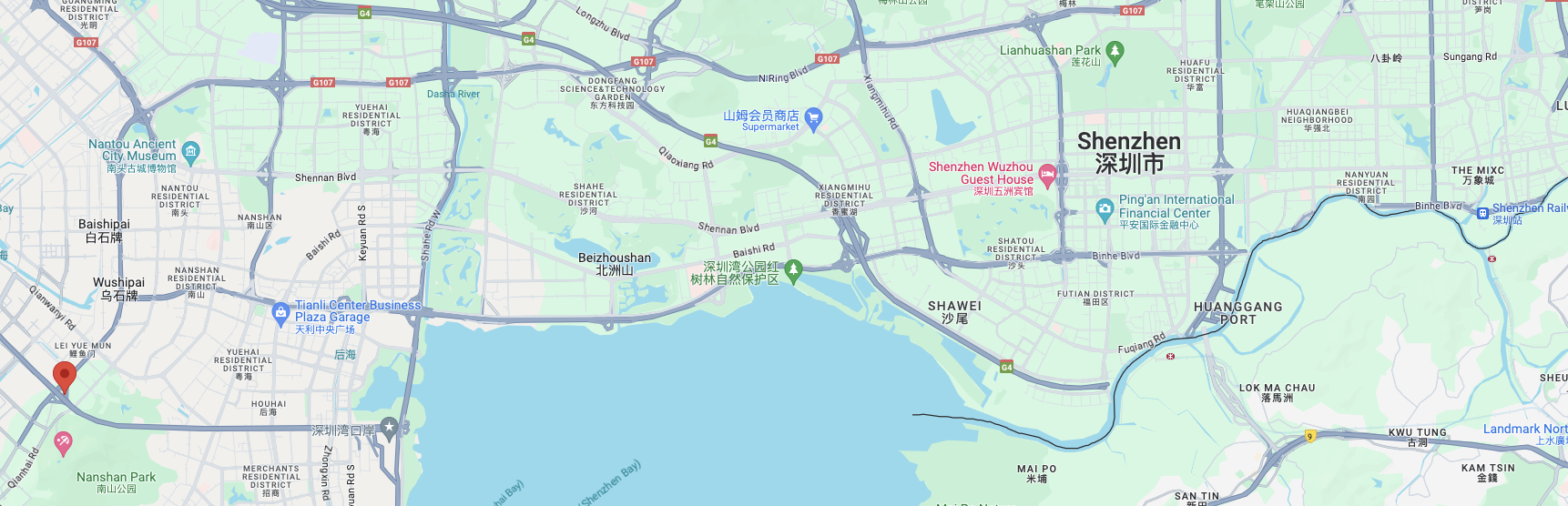
Being so new, there aren't as many cultural attractions in Shenzhen. We mostly ate, walked around, and went to a few parks. Here's a panorama of Shenzhen from one of them
In this section I want to talk briefly about some things that caught me off guard.
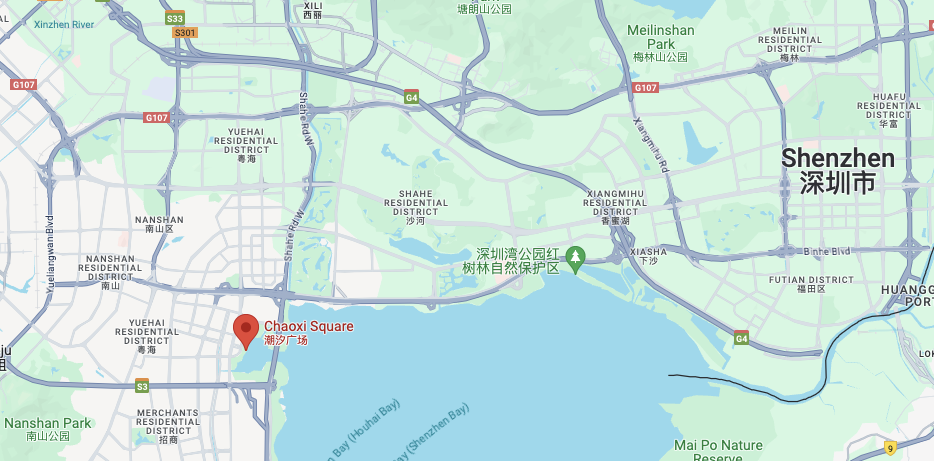
The next morning I was walking around Shenzhen Bay Park by myself, and I saw a woman taking a picture of her father. They motioned to me and I thought they wanted me to take their picture, but as I got close the father put his arm around me and motioned me to look at the camera! From my friend I had learned that seeing white people was fairly rare in China and people get excited about it, so they want to take a picture! Apparently this happened with some regularity to the one European member of the research group when they went to conferences in China, particularly in parts of China that were not as cosmopolitan as Shenzhen. In America we're so used to diversity and seeing people from other cultures that we tend to assume most of the world is like this, but here was a clear reminder that some places are different, and that can lead people to have different mentalities.
In that same park I saw a man doing calligraphy with a water brush, and I had to stop and look at it because it was so beautiful and graceful and precise.
In that same part I had yet another culture shock! This park was full of them! I had to use the bathroom and I found this:
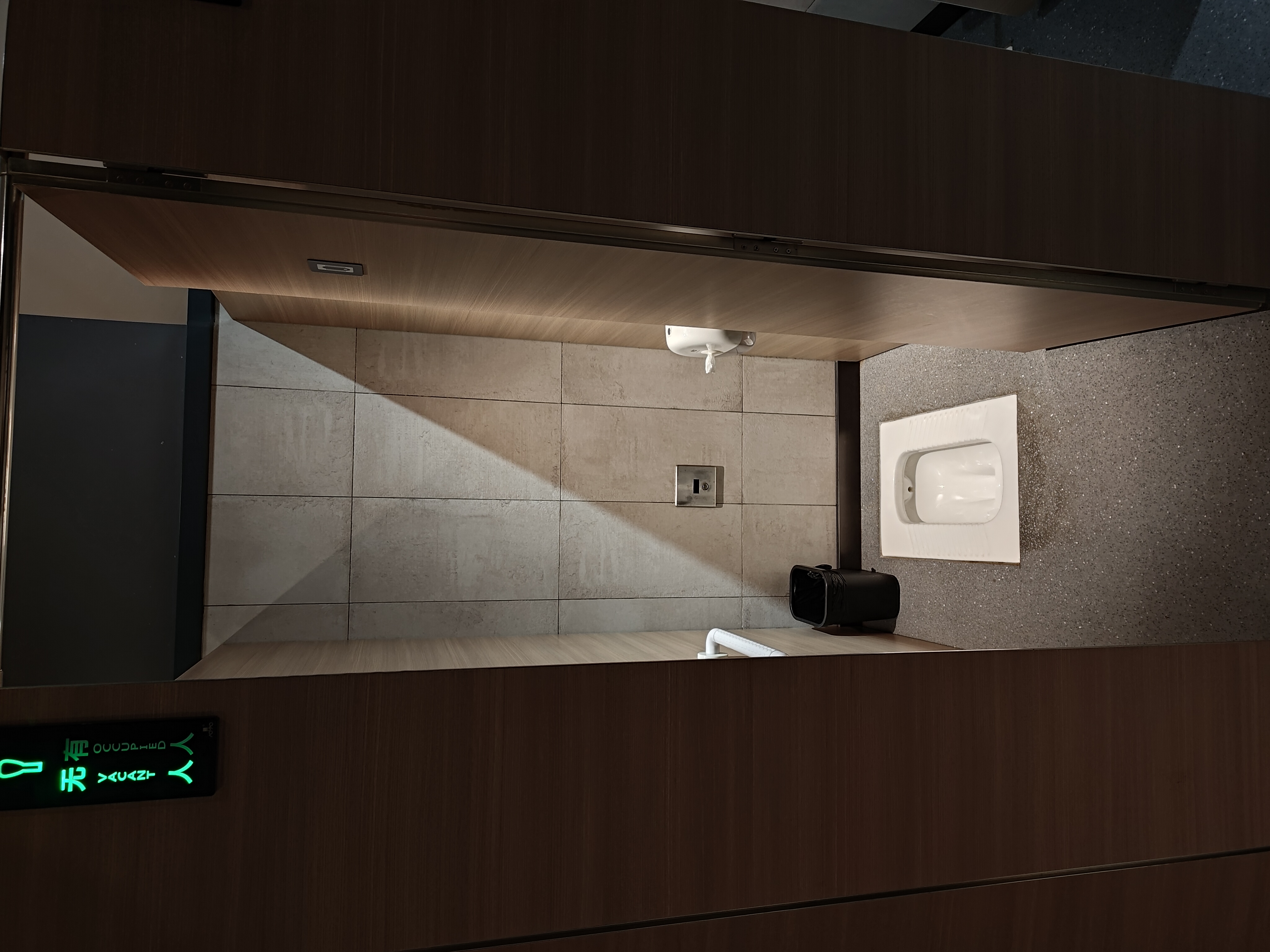
This was new construction! You can even see in the top left the fancy new vacant/occupied sign! Fortunately I was successful in my endeavor, but it was still a surprise. I wondered how old people would deal with this, or disabled people? I also wondered what Chinese people have in their homes?! I asked my friend and he assured me that in their house they have a normal toilet (what they call a "pedestal" toilet). Some of the other public places we went had both the squat toilet and the pedestal one, so there are sometimes options, but this was definitely something I didn't expect. I mostly didn't see this type of thing in Hong Kong, except for one time when I went hiking and there was a port-a-potty in this same style!
Overall being in Shenzhen really did feel like being in China, but there were occasional "glitches in the matrix" so to speak...